


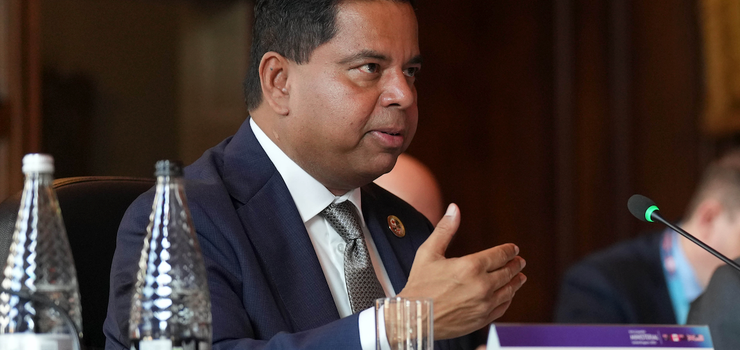











The CRTC yesterday released its much-anticipated Online Streaming Act decision that has been years in the making. Given the likely opposition from many stakeholders, it is virtually certain to lead to protracted trade and legal battles. From the moment the government introduced Bill C-10 in 2020, its goal was to impose regulatory obligations on Internet streaming services, treating them as online broadcasters and mandating that they pay into the Canadian system. This week’s ruling puts a number on the payments, building on an earlier 5% interim levy with an additional 10% in expenditure requirements. The combined 15% places Canada among the most expensive operating jurisdictions in the world for streaming services, with consequences that will undoubtedly affect consumer streaming prices. Moreover, with the streaming services already challenging the interim 5% levy in court, they will undoubtedly challenge this one as well. In fact, the battle will not be limited to Canadian litigation. The U.S. government, which has become increasingly vocal in its opposition to the Online Streaming Act, will view this decision as a provocation and escalate pressure on Canada to drop the legislation altogether. Culture Minister Marc Miller appeared to hedge in his reaction to the decision, suggesting that the government sees the headaches that lie ahead.
Latest Posts

The Government Tries to Make the Case for Bill C-22: Why Its Own Use Cases Reveal Disproportionate Overreach
Faced with growing criticism of Bill C-22, the government this week mounted a coordinated defence, with senior officials from CSIS, the RCMP, and Public Safety Canada sitting for on-the-record briefings with the Globe and Mail, the CBC, and others. While officials tried to make the case for lawful access, they failed to make the case for Bill C-22, as their use cases reveal a consistent pattern of overreach. Indeed, whether the issue is metadata retention or the technical capabilities the bill would mandate, the powers it would grant extend well beyond the targeted needs the officials describe, resulting in a disproportionate bill in need of significant amendment.

Tech Exodus: Why Bill C-22’s Privacy and Security Risks Will Drive Digital Services Out of the Country
Over the past week, a growing number of tech companies have warned that they may be forced to leave Canada if Bill C-22, the lawful access bill, remains unchanged. The government’s response to warnings from Signal, Windscribe, NordVPN, Apple, and Meta is that the companies are misreading the bill. But the prospect of a tech exodus from Canada rests on clear-cut privacy and security risks that do not apply in the U.S. or Europe. When Yegor Sak, the Toronto-headquartered CEO of Windscribe, told the Globe and Mail last week that he is actively looking at moving the company out of Canada or when Signal’s Vice President of Strategy and Global Affairs Udbhav Tiwari told the same paper that Signal “would rather pull out of the country than be compelled to compromise on the privacy promises we have made to our users,” those statements are a direct response to the government’s legislative choices in the Supporting Authorized Access to Information Act (SAAIA), the second half of Bill C-22, that will have serious economic implications for the future of the tech sector in Canada.

The Lawful Access Two-Headed Surveillance Monster: How Bill C-22 Went Off the Rails
The government’s plans for lawful access have gone off the rails. In recent days, Signal has warned it would pull out of the Canadian market rather than comply with Bill C-22. Windscribe, the Toronto-headquartered VPN provider, has said it would relocate its headquarters out of Canada and NordVPN has warned it would consider following suit. Apple and Meta have both raised public concerns about the bill’s effect on encryption and cybersecurity. The Canadian Chamber of Commerce, the Cybersecurity Advisors Network, civil liberties groups, and a long line of legal and security experts have all called for changes. The chairs of the U.S. House Judiciary and Foreign Affairs Committees have written to Public Safety Minister Gary Anandasangaree warning that the bill threatens U.S. national security and the integrity of cross-border data flows. Even the bill’s own oversight body, the National Security and Intelligence Review Agency, has told the SECU committee it does not have the access it needs for effective oversight. If the government thought it could push through the bill largely unnoticed, it has been proven painfully wrong as there are now trade frictions with the U.S., the prospect of leading companies exiting the Canadian market, and weaker cybersecurity protections for ordinary users.
How did Canada’s lawful access plan go awry so quickly?

How Much Further Will Lawful Access Go?: Police Chief Tells Bill C-22 Hearing That Three Years of Metadata Retention Would Be “Ideal”
Metadata retention has emerged as one of the biggest lawful access concerns, with requirements that providers retain metadata for all subscribers for up to one year. As I argued before the Standing Committee on Public Safety and National Security last week, when retained at scale, the retention becomes a comprehensive surveillance map of virtually every Canadian with information on where and when they go and who they interact with. Under Bill C-22, this data would apply to every subscriber regardless of suspicion. The government’s Charter Statement remarkably fails to address the regime, despite the fact that bulk retention frameworks of this kind have been struck down by the European Court of Justice in Digital Rights Ireland and Tele2 Sverige, and by Germany’s Federal Constitutional Court.

Recent Posts
 The Online Streaming Act Bill Comes Due: Why the CRTC’s Latest Ruling Guarantees Years of Trade and Legal Battles
  The Government Tries to Make the Case for Bill C-22: Why Its Own Use Cases Reveal Disproportionate Overreach
  Tech Exodus: Why Bill C-22’s Privacy and Security Risks Will Drive Digital Services Out of the Country
  The Lawful Access Two-Headed Surveillance Monster: How Bill C-22 Went Off the Rails
  How Much Further Will Lawful Access Go?: Police Chief Tells Bill C-22 Hearing That Three Years of Metadata Retention Would Be “Ideal”
